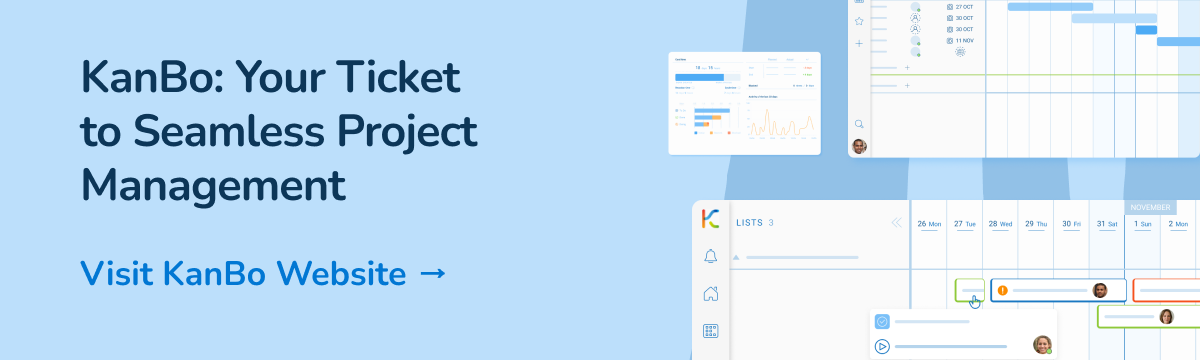
KanBo – The Pharma-Focused Work Coordination Maestro
Experience ultimate task alignment, communication and collaboration
Trusted globally, KanBo, bridges the gap between management and engineering in complex pharmaceutical organizations. Seamless coordination, advanced project planning, and outstanding leadership are made possible through our versatile software. Stride toward your mission-critical goals with superior collaboration and communication.
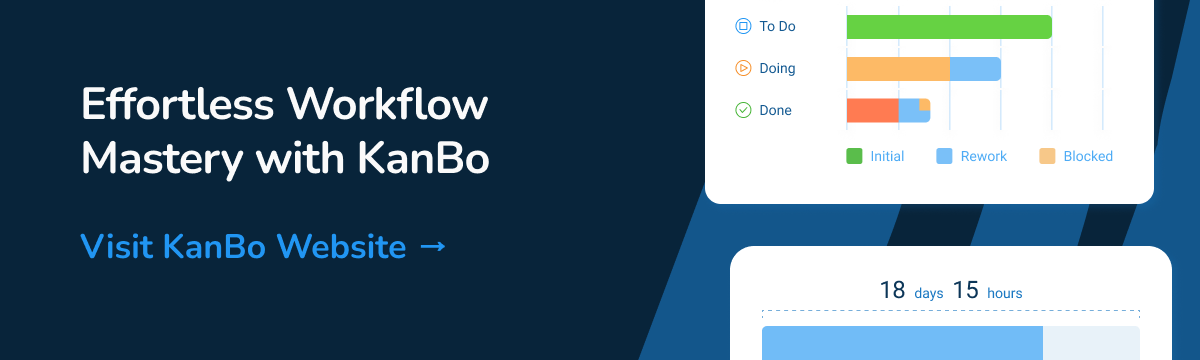
Revolutionizing Cross-Functional Coordination in the Pharmaceutical Industry: The Role of KanBo
Introduction:
In today’s fast-paced and highly competitive pharmaceutical industry, efficient work coordination and collaboration are critical for successful project execution. Recognizing this need, KanBo, a leading work coordination platform, has developed a software solution designed specifically to enhance cross-functional coordination in the pharmaceutical sector. By focusing on task alignment, communication, and collaboration, KanBo aims to streamline operations, improve cross-functional collaborations, and upgrade leadership efficiency within the industry.
Enhanced Work Coordination:
KanBo’s software offers a range of features that help pharmaceutical companies seamlessly coordinate across functions. The platform facilitates efficient project planning by enabling users to create, assign, and track tasks. This ensures effective resource allocation, timeline creation, and task assignment, leading to improved project efficiency.
Real-Time Project Visibility:
One of the key benefits of KanBo’s software is its ability to enhance leadership by providing real-time project visibility. The platform offers a comprehensive overview of the project lifecycle, enabling leaders to monitor progress, identify bottlenecks, and make timely decisions. With real-time visibility into operations, leaders can effectively manage resources, optimize workflows, and ensure projects stay on track.
Effective Cross-Functional Collaboration:
KanBo’s software promotes effective cross-functional collaboration, which is crucial for successful project execution in the pharmaceutical industry. By providing a centralized platform for team members to collaborate and communicate, KanBo eliminates silos and fosters a culture of knowledge sharing. This leads to improved problem-solving, faster decision-making, and enhanced productivity.
Pharmaceutical Engineering Tasks:
KanBo’s software also aids in pharmaceutical engineering tasks, enabling engineers to collaborate efficiently, document processes, and ensure compliance with regulatory requirements. By providing a dedicated platform for engineering workflows, KanBo enhances efficiency and accuracy, reducing the risk of errors and delays.
Conclusion:
In the highly regulated and complex pharmaceutical industry, cross-functional coordination is essential for successful project execution. KanBo’s work coordination platform offers a comprehensive solution that addresses the unique challenges faced by pharmaceutical companies. By focusing on task alignment, communication, and collaboration, KanBo enhances project planning and execution, boosts leadership efficiency, and facilitates real-time project visibility. With its ability to streamline operations and improve cross-functional collaborations, KanBo is revolutionizing work coordination in the pharmaceutical industry and helping companies achieve their goals efficiently and effectively.
Given the provided text, here is a suggested passage:
The Staff Robotics and Controls Engineer will play a critical role in the development of the Ottava robotic surgical platform. Their responsibility will be to have a deep understanding of the system from both a technical perspective and the user’s viewpoint. The candidate will contribute algorithms and software implementations that drive the definition and development of Robotics and Digital Solutions, with the goal of setting a new industry benchmark for robotic surgical capability.
We are seeking a candidate who can work independently and collaborate effectively within a team. The ideal candidate should possess flexibility, self-motivation, curiosity, and a strong passion for revolutionizing the world of medical robotics.
In addition to working closely with other team members to control, simulate, and implement robotic systems, the Staff Robotics and Controls Engineer will be involved with software and other specialists such as mechanical, electrical, and clinical engineers as part of a focused multi-functional team. Together, they will develop robotics and controls software and algorithms for medical applications.
Some key responsibilities of the Staff Robotics and Controls Engineer include:
– Designing, implementing, and testing robotic algorithms (such as kinematics, dynamics, controls) using C++ in a real-time and FDA-regulated environment.
– Developing innovative methods for human-robot interaction, collaborating closely with clinical engineers and physicians.
– Taking a lead role in a cross-functional environment, particularly in the software function of a robotic subsystem, including modeling and hardware setup.
– Creating specifications and requirements based on inputs from clinical professionals and users.
– Participating in or leading software design discussions and code reviews (both internal and multi-functional) for robotic algorithms and workflows.
– Rapidly implementing concept proofs and prototypes, and conducting tests on a daily basis for activities, tasks, and routines related to cross-functional coordination within the pharmaceutical industry.
To achieve effective cross-functional coordination, pharmaceutical companies require alignment and collaboration across various departments, including research and development, manufacturing, marketing, and sales. This coordination is crucial for leveraging diverse expertise and resources across different teams, driving innovation, and achieving organizational objectives.
One way to facilitate this cross-functional coordination is through the use of Spaces in KanBo. Spaces provide a dedicated area for collaboration and communication between different departments or teams within a pharmaceutical company. Within each Space, users can create, assign, and track tasks, collaborate with team members, and generate reports and analytics to monitor progress and performance.
By using Spaces in KanBo, pharmaceutical companies can streamline their operations, improve cross-functional collaborations, and enhance leadership efficiency. Spaces provide a comprehensive overview of the project lifecycle, ensuring effective resource allocation, timeline creation, and task assignment. Real-time visibility into operations enables better decision-making and allows leaders to proactively manage projects.
With KanBo, pharmaceutical companies can stay organized, improve communication, and boost productivity across all departments, leading to more efficient and successful projects within the industry.
Q&A
1. How does KanBo’s software enhance cross-functional coordination in the pharmaceutical industry?
– KanBo’s software enhances cross-functional coordination in the pharmaceutical industry by providing a range of features to seamlessly coordinate across functions. It allows users to create, assign, and track tasks, ensuring effective resource allocation, timeline creation, and task assignment for improved project efficiency. Additionally, the platform promotes effective cross-functional collaboration by providing a centralized platform for team members to collaborate and communicate, eliminating silos and fostering a culture of knowledge sharing, problem-solving, and faster decision-making.
2. What role does real-time project visibility play in leadership efficiency within the pharmaceutical industry?
– Real-time project visibility plays a crucial role in leadership efficiency within the pharmaceutical industry. KanBo’s software offers a comprehensive overview of the project lifecycle, allowing leaders to monitor progress, identify bottlenecks, and make timely decisions. With real-time visibility into operations, leaders can effectively manage resources, optimize workflows, and ensure projects stay on track. This enhances leadership efficiency by providing the necessary information to make informed decisions and proactively address any issues that may arise during project execution.
3. How does KanBo’s software aid in pharmaceutical engineering tasks?
– KanBo’s software aids in pharmaceutical engineering tasks by providing a dedicated platform for engineers to collaborate efficiently, document processes, and ensure compliance with regulatory requirements. The platform enables engineers to work closely with other specialists, such as mechanical, electrical, and clinical engineers, as part of a focused multi-functional team. Together, they can develop robotics and controls software and algorithms for medical applications. By utilizing KanBo’s software, engineers can streamline their workflows, enhance efficiency and accuracy, and reduce the risk of errors and delays in pharmaceutical engineering tasks.
Did you know that KanBo is more than just a tool for Cross-functional Coordination in the pharmaceutical industry? While it excels in enhancing work coordination, communication, and collaboration specifically in this sector, KanBo’s capabilities extend far beyond the pharmaceutical realm.
KanBo is a versatile work coordination and business process management software that can be utilized by large and international organizations across various industries. Whether you’re working in healthcare, finance, manufacturing, or any other sector, KanBo can help improve efficiency and productivity within your teams.
With its customizable task management features, KanBo allows users to create, assign, and track tasks, ensuring that everyone is on the same page and work progresses smoothly. It enables seamless collaboration and communication between team members, regardless of their locations or departments, fostering a more connected and productive work environment.
In addition, KanBo provides robust reporting and analytics capabilities, allowing organizations to monitor progress and performance, identify bottlenecks, and make data-driven decisions. Whether you need to set goals, manage resources, solve problems, or balance workloads, KanBo can be tailored to fit your specific needs.
Moreover, KanBo is designed to integrate with popular platforms and tools such as SharePoint, Microsoft Office 365, Google Suite, AWS, or Salesforce. This means that it can work harmoniously with your existing technology infrastructure, maximizing your ROI and minimizing disruptions to your workflows.
KanBo’s user-friendly interface and intuitive features make it easy for teams to adopt and benefit from its functionalities. By providing a comprehensive overview of project lifecycles and enhancing leadership visibility, KanBo empowers employees to take ownership of their tasks while fostering a culture of transparency, trust, and responsibility.
In conclusion, while KanBo’s expertise in Cross-functional Coordination within the pharmaceutical industry is exceptional, its capabilities extend beyond this domain. Organizations from diverse sectors can leverage KanBo’s powerful work coordination features to streamline operations, enhance communication, and ultimately achieve their goals with greater efficiency and effectiveness.