KanBo – The Pharma-Focused Work Coordination Maestro
Experience ultimate task alignment, communication and collaboration
Trusted globally, KanBo, bridges the gap between management and engineering in complex pharmaceutical organizations. Seamless coordination, advanced project planning, and outstanding leadership are made possible through our versatile software. Stride toward your mission-critical goals with superior collaboration and communication.
KanBo: Enhancing Cross-Functional Coordination in the Pharmaceutical Industry
Introduction:
KanBo is a powerful work coordination and business process management software designed to enhance collaboration, communication, and task alignment within the pharmaceutical industry. Its comprehensive set of features and functionalities provide real-time project visibility, streamline operations, and improve cross-functional collaborations. With a specific focus on the pharmaceutical sector, KanBo aims to upgrade leadership efficiency, facilitate efficient project planning, and aid in pharmaceutical engineering tasks.
Improving Cross-Functional Coordination:
In the fast-paced and complex environment of the pharmaceutical industry, cross-functional coordination plays a critical role in ensuring seamless operations and successful project execution. KanBo empowers organizations to optimize cross-functional coordination through several key features:
1. Task Alignment: KanBo enables seamless coordination across functions by allowing users to create, assign, and track tasks. With centralized task management, teams can align their activities, ensuring a coherent approach to project execution and minimizing duplication of efforts. By providing a comprehensive overview of the project lifecycle, KanBo ensures that all tasks are aligned with project goals.
2. Efficient Project Planning: Effective project planning is essential in the pharmaceutical industry to meet tight timelines and comply with regulatory guidelines. KanBo enhances project planning by providing tools for timeline creation, resource allocation, and task assignment. Project teams can allocate resources efficiently, streamline workflow, and track progress in real-time, facilitating effective project management.
3. Boosting Communication: Communication is crucial for cross-functional coordination within the pharmaceutical industry. KanBo offers a range of communication tools such as shared documentations, virtual meetings, and real-time updates. With these features, teams can exchange information, share knowledge, and collaborate on projects seamlessly. KanBo fosters a culture of open communication, ensuring that all team members are informed, aligned, and engaged.
4. Real-Time Project Visibility: KanBo provides real-time visibility into project progress, enabling leaders to track operations, identify bottlenecks, and make data-driven decisions. With advanced reporting and analytics capabilities, KanBo helps leaders gain insights into project performance, resource utilization, and team productivity. This visibility facilitates proactive management, ensuring that projects stay on track and enabling timely interventions if needed.
Benefits of KanBo for the Pharmaceutical Industry:
By leveraging KanBo’s comprehensive set of features, pharmaceutical organizations can realize several benefits, including:
1. Enhanced Efficiency: KanBo streamlines operations by providing a centralized platform for task management, resulting in improved efficiency and reduced time spent on coordination efforts.
2. Improved Cross-Functional Collaboration: KanBo fosters collaboration by providing seamless communication channels, real-time updates, and shared documentations. This promotes teamwork, enables knowledge sharing, and enhances problem-solving capabilities.
3. Upgraded Leadership Efficiency: KanBo’s real-time project visibility and analytics empower leaders to make data-driven decisions, drive innovation, and ensure seamless project execution. This leads to improved leadership efficiency and better outcomes for pharmaceutical projects.
Conclusion:
In the fast-evolving pharmaceutical industry, effective cross-functional coordination is crucial for success. KanBo’s work coordination platform offers a comprehensive set of features that streamline operations, improve collaboration, and enhance leadership efficiency. By providing real-time project visibility, facilitating efficient project planning, and enabling seamless communication, KanBo empowers pharmaceutical organizations to achieve their goals with greater efficiency, resource utilization, and overall project success.
Cross-functional coordination is crucial in the pharmaceutical industry, as it involves various departments with diverse expertise and resources. KanBo provides solutions to enhance cross-functional coordination by utilizing Spaces.
Spaces in KanBo are virtual workspaces or collaboration areas that allow teams from different departments to come together and work on common projects or tasks. By using Spaces, teams can easily communicate, share documents, assign tasks, and track progress in one centralized location.
The introduction of Spaces in KanBo enables seamless collaboration across teams, breaking down silos and improving communication and coordination. It allows different departments, such as research and development, manufacturing, marketing, and sales, to work together efficiently, leveraging each other’s expertise and resources.
Within a Space, teams can customize the layout and structure according to their specific needs. They can create different sections or boards for different aspects of the project, such as research, development, and marketing. This helps in organizing and categorizing tasks, information, and documents, making it easy for team members to navigate and find relevant information.
Spaces in KanBo also offer features like document templates, card templates, and document references. This helps in standardizing processes and ensuring consistency across different projects or tasks. Teams can use predefined templates for creating documents or cards, saving time and effort in repetitive tasks.
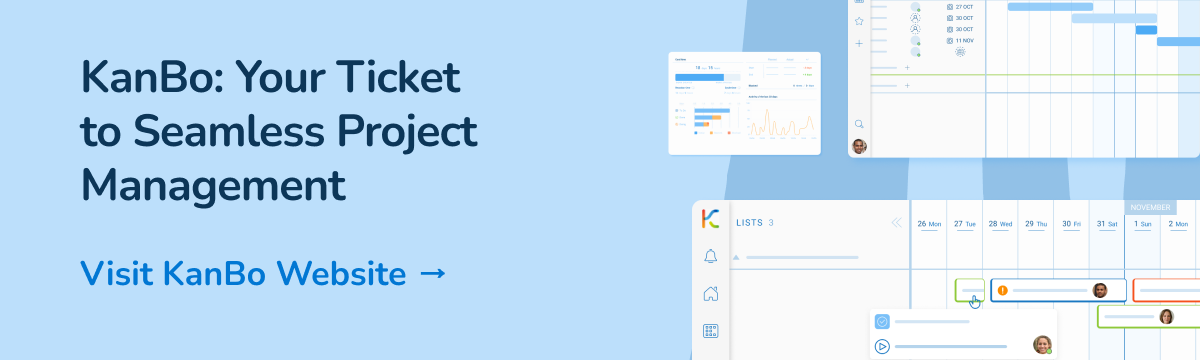
Furthermore, KanBo provides various views within Spaces, such as Gantt chart view and mind map view, which offer different perspectives and visualization of the project or task. This enhances planning, scheduling, and decision-making processes.
By utilizing Spaces in KanBo, pharmaceutical companies can streamline cross-functional coordination, improve communication, and drive innovation by leveraging diverse expertise and resources. It empowers teams to collaborate effectively, share information seamlessly, and work towards common goals in an efficient and coordinated manner.
Q&A
1. How does KanBo enhance cross-functional coordination within the pharmaceutical industry?
Answer: KanBo enhances cross-functional coordination within the pharmaceutical industry by providing tools for task alignment, efficient project planning, boosting communication, and real-time project visibility. These features enable teams from different departments to align their activities, collaborate effectively, and track project progress in real-time.
2. What are the benefits of KanBo for pharmaceutical organizations?
Answer: KanBo offers several benefits for pharmaceutical organizations, including enhanced efficiency through streamlined operations, improved cross-functional collaboration through seamless communication channels and shared documentations, and upgraded leadership efficiency through real-time project visibility and analytics. These benefits result in better resource utilization, improved teamwork, and successful project outcomes.
3. How does KanBo facilitate efficient project planning in the pharmaceutical industry?
Answer: KanBo facilitates efficient project planning in the pharmaceutical industry by providing tools for timeline creation, resource allocation, and task assignment. Project teams can allocate resources effectively, streamline workflow, and track progress in real-time. This enables effective project management, meeting tight timelines, and complying with regulatory guidelines.
Did you know that KanBo is more than just a tool for Cross-functional Coordination in the Pharmaceutical industry? While its core focus is on enhancing communication and collaboration within teams, KanBo offers a range of features that go beyond traditional project management tools.
One such feature is the ability to create and customize workflows. KanBo allows users to design and automate workflows specific to their organization’s processes, ensuring that tasks are completed in a systematic and efficient manner. This not only saves time but also increases productivity by reducing manual effort and eliminating errors.
Furthermore, KanBo provides advanced analytics and reporting capabilities. Users can easily generate reports and visualize data to gain insights into project progress, resource allocation, and team performance. These insights enable leaders to make informed decisions, identify bottlenecks, and optimize processes for better outcomes.
In addition, KanBo offers integration capabilities with other popular tools and platforms, such as Microsoft Office 365, Google Suite, AWS, and Salesforce. This allows users to streamline their workflows and access all their important data and documents from a single platform, eliminating the need to switch between multiple applications.
With its intuitive interface and user-friendly design, KanBo makes it easy for teams to adopt and embrace the software. Whether it’s managing timelines, assigning tasks, or collaborating on documents, KanBo ensures that every team member has a clear understanding of their responsibilities and can effectively contribute to the project’s success.
In summary, KanBo is a powerful tool that goes beyond basic project management. It empowers teams in the pharmaceutical industry to streamline their processes, make data-driven decisions, and drive innovation. By leveraging the full potential of KanBo, organizations can elevate their cross-functional coordination to new heights and achieve greater efficiency and productivity.