KanBo – The Pharma-Focused Work Coordination Maestro
Experience ultimate task alignment, communication and collaboration
Trusted globally, KanBo, bridges the gap between management and engineering in complex pharmaceutical organizations. Seamless coordination, advanced project planning, and outstanding leadership are made possible through our versatile software. Stride toward your mission-critical goals with superior collaboration and communication.
Enhancing Cross-Functional Coordination in the Pharmaceutical Industry with KanBo Work Coordination Platform
Introduction:
In today’s fast-paced and highly regulated pharmaceutical industry, efficient work coordination across functions is crucial to ensure successful project execution. KanBo, a leading work coordination and business process management software, aims to enhance collaboration, communication, and task alignment within pharmaceutical companies. By providing real-time project visibility and streamlining operations, KanBo empowers staff supplier quality engineers to improve cross-functional collaborations and upgrade leadership efficiency. In this article, we will explore how KanBo enhances cross-functional coordination in the pharmaceutical industry and the benefits it brings to companies in this sector.
Streamlining Operations:
KanBo’s software is designed to seamlessly coordinate across functions, facilitating efficient project planning and execution. By providing a comprehensive overview of the project lifecycle, KanBo ensures effective resource allocation, timeline creation, and task assignment. This streamlines operations, reduces bottlenecks, and prevents duplication of efforts. With KanBo, staff supplier quality engineers can prioritize tasks, eliminate manual coordination processes, and focus on driving continuous improvements in the quality management process.
Improving Cross-Functional Collaborations:
Effective cross-functional collaborations are essential to ensure successful completion of projects in the pharmaceutical industry. KanBo enables staff supplier quality engineers to regularly engage with stakeholders from different departments, fostering open and transparent communication. Through virtual or in-person discussions and collaboration tools, KanBo promotes knowledge sharing, bridges the gap between departments, and ensures a smooth flow of information throughout the organization. This enhances problem-solving capabilities, facilitates decision-making, and promotes a culture of collaboration and innovation.
Enhancing Leadership through Real-Time Project Visibility:
KanBo’s real-time project visibility provides staff supplier quality engineers with the tools they need to drive efficient leadership. By monitoring progress, tracking key performance indicators, and providing regular updates to management and stakeholders, KanBo empowers leaders to make data-driven decisions. This promotes effective risk management, allows for proactive problem identification and resolution, and ensures projects stay on track. With clear visibility into project status and performance, leaders can guide their teams, allocate resources effectively, and drive continuous improvement across functions.
Enabling Pharmaceutical Engineering Tasks:
Pharmaceutical engineering tasks require meticulous planning, precise execution, and strict adherence to quality standards. KanBo aids staff supplier quality engineers in performing these tasks efficiently. It provides a centralized platform to write and generate quality standards, ensuring compliance with regulations and specifications. KanBo facilitates the implementation of continuous improvement programs with suppliers, supports supplier development initiatives, and assists in the rating, validation, and certification of suppliers. With KanBo, staff supplier quality engineers can maintain a high level of quality assurance and ensure that received materials meet all requirements.
Conclusion:
KanBo’s work coordination platform empowers staff supplier quality engineers in the pharmaceutical industry to enhance cross-functional coordination, streamline operations, and improve leadership efficiency. By providing real-time project visibility, facilitating communication and collaboration, and aiding in pharmaceutical engineering tasks, KanBo enables companies to drive successful project execution. With KanBo, pharmaceutical organizations can achieve their goals of optimal resource allocation, effective project planning, and efficient task alignment, ultimately leading to improved quality management and overall success in the industry.
Solutions for Cross-functional Coordination in the Pharmaceutical Industry:
1. Introduction and Explanation:
Pharmaceutical companies often have multiple departments that need to work together, such as research and development, manufacturing, marketing, and sales. Effective cross-functional coordination is crucial to leverage diverse expertise and resources across these different teams, foster collaboration, and drive innovation in the pharmaceutical industry.
2. Using Spaces in KanBo:
KanBo provides a solution for cross-functional coordination in the pharmaceutical industry by using Spaces. Spaces in KanBo are virtual workspaces that can be created for each department or project, allowing teams to collaborate and coordinate their activities effectively. These Spaces act as a central hub for all project-related information, tasks, and communication.
3. KanBo User:
Each team member can be assigned a role within the Space, such as an administrator, member, or viewer, based on their level of access and involvement in the project. This helps in ensuring that the right people have access to the relevant information and can contribute to the decision-making and coordination process.
4. KanBo Home Page:
The KanBo Home Page provides an overview of all the Spaces that an individual is a part of, making it easy to navigate between different projects and access the necessary information for cross-functional coordination.
5. About Hybrid Environment:
KanBo supports a hybrid environment, allowing team members to collaborate seamlessly whether they are working in the office or remotely. This flexibility ensures that cross-functional coordination can happen effectively, regardless of the location or time zone of the team members.
6. About Pre Deployment:
Before deploying KanBo, it is important to understand the specific needs and requirements of each department in order to customize the platform accordingly. This ensures that the Spaces created are tailored to the unique cross-functional coordination challenges of the pharmaceutical industry.
7. About Help Center:
KanBo offers a Help Center that provides guidance and support to users, ensuring that they can make the most of the platform’s features and functionalities for effective cross-functional coordination.
8. Space Access and Permissions:
KanBo allows administrators to set access levels and permissions for each Space, ensuring that sensitive information is only accessible to authorized individuals. This helps maintain confidentiality and privacy in cross-functional coordination efforts.
9. Document Templates:
KanBo provides document templates that can be used to create standardized documents and ensure consistency across different teams and projects. This streamlines cross-functional coordination by providing a common framework for information sharing and collaboration.
10. Space Templates:
KanBo offers Space templates that can be customized based on the specific requirements of each department or project. These templates provide a pre-defined structure for organizing tasks, communication, and resources, facilitating cross-functional coordination.
11. Card Templates:
Card templates in KanBo allow teams to create standardized task cards for different cross-functional activities. These templates can include assigned roles, deadlines, dependencies, and other relevant information, ensuring that everyone is on the same page and working towards the same goals.
12. Sending Emails to KanBo Card or Space:
KanBo allows users to send emails directly to specific Cards or Spaces, ensuring that important information and updates are captured within the platform for cross-functional coordination. This eliminates the need for multiple communication channels and ensures that all relevant stakeholders are informed.
13. Comments:
Within KanBo, team members can leave comments on Cards or Spaces, allowing for real-time feedback and discussions. This fosters cross-functional communication and coordination, enabling teams to resolve issues, share insights, and align their efforts effectively.
14. Activity Stream:
The Activity Stream in KanBo provides a chronological view of all the updates, actions, and discussions happening within a Space. This allows team members to stay updated on the progress of cross-functional activities and fosters transparency in coordination efforts.
15. Work Progress Calculation:
KanBo provides tools to track and calculate work progress, allowing teams to measure the performance and effectiveness of cross-functional coordination efforts. This data can inform decision-making, identify bottlenecks, and drive continuous improvement.
16. Space Views:
KanBo enables users to customize the view of a Space based on their preferences and needs. This includes different visualizations, such as Kanban boards, Gantt charts, or Mind Maps, providing flexibility in managing and organizing cross-functional coordination activities.
17. Gantt Chart View:
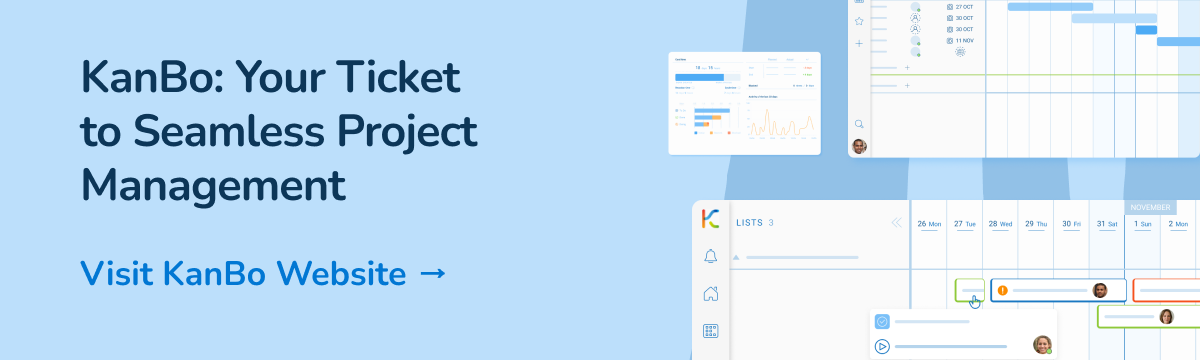
The Gantt Chart view in KanBo allows teams to visualize cross-functional activities and timelines, ensuring that tasks and dependencies are well-coordinated and managed. This helps in identifying potential conflicts or resource constraints, enabling teams to adjust their plans accordingly.
18. Mind Map View:
The Mind Map view in KanBo facilitates brainstorming and ideation in cross-functional coordination efforts. Teams can visually map out their ideas, goals, and interdependencies, fostering creativity and collaboration.
19. KanBo Search:
The powerful search functionality in KanBo allows users to quickly find and retrieve relevant information, tasks, or discussions related to cross-functional coordination. This saves time and effort, ensuring that teams have access to the necessary resources and insights.
20. Document Sources and References:
KanBo enables users to link documents from various sources and references within a Space. This ensures that relevant information is easily accessible in the context of cross-functional coordination efforts, minimizing the need for manual searching and navigation.
In conclusion, KanBo provides a comprehensive solution for cross-functional coordination in the pharmaceutical industry. Its features like Spaces, task management, communication tools, and document management streamline coordination efforts, enhance collaboration, and drive innovation across different departments and projects.
Q&A
1. What are the key challenges faced by the pharmaceutical industry in terms of cross-functional coordination?
The pharmaceutical industry faces various challenges when it comes to cross-functional coordination. Some of the key challenges include:
– Siloed Communication: Different departments often work in isolation, leading to a lack of collaboration and sharing of information.
– Lack of Visibility: Without real-time visibility into project status and progress, it becomes difficult to align efforts and identify potential bottlenecks.
– Manual Coordination Processes: Relying on manual coordination processes, such as emails and spreadsheets, can lead to errors, delays, and inefficiencies.
– Compliance and Quality Control: The pharmaceutical industry operates under strict regulations, making it crucial for all departments to align their activities to maintain compliance and ensure high-quality standards.
– Complex Supply Chain: Coordinating diverse stakeholders, such as suppliers and logistics partners, adds complexity to cross-functional coordination efforts.
2. How does KanBo help overcome these challenges and enhance cross-functional coordination in the pharmaceutical industry?
KanBo offers several features and functionalities that address the challenges faced by the pharmaceutical industry in cross-functional coordination. Here’s how KanBo helps overcome these challenges:
– Streamlining Operations: KanBo’s platform provides a comprehensive overview of the project lifecycle, ensuring effective resource allocation, timeline creation, and task assignment. This streamlines operations, reduces bottlenecks, and prevents duplication of efforts.
– Real-Time Project Visibility: KanBo’s real-time project visibility empowers leaders and team members to monitor progress, track key performance indicators, and make data-driven decisions. This ensures projects stay on track and enables proactive problem identification and resolution.
– Collaboration and Communication Tools: KanBo offers collaboration and communication tools, such as virtual or in-person discussions, comments, and activity streams, to foster open and transparent communication. This bridges the gap between departments, promotes knowledge sharing, and enhances problem-solving capabilities.
– Document Management and Templates: KanBo provides document management and template functionalities, allowing teams to create standardized documents, such as quality standards, to ensure compliance and consistency across different departments.
– Customization and Flexibility: KanBo can be customized based on the specific needs and requirements of each department or project, ensuring that Spaces and cards are tailored to the unique cross-functional coordination challenges of the pharmaceutical industry.
3. What are the benefits of using KanBo for cross-functional coordination in the pharmaceutical industry?
Using KanBo for cross-functional coordination in the pharmaceutical industry brings several benefits, including:
– Improved Efficiency: KanBo streamlines operations, eliminates duplication of efforts, and reduces manual coordination processes, leading to improved efficiency and productivity across departments.
– Enhanced Collaboration: KanBo fosters open and transparent communication, enabling teams to collaborate effectively, solve problems, and share knowledge. This promotes a culture of collaboration and innovation within the organization.
– Real-Time Visibility: KanBo’s real-time project visibility empowers leaders and team members with the data they need to make informed decisions, proactively address issues, and keep projects on track.
– Simplified Compliance and Quality Control: KanBo helps ensure compliance with regulations and specifications by providing a centralized platform for maintaining quality standards, implementing continuous improvement initiatives, and validating suppliers.
– Optimal Resource Allocation: With KanBo, leaders can allocate resources effectively based on real-time project information, ensuring that teams have the necessary support to execute projects efficiently.
Overall, KanBo brings efficiency, collaboration, and visibility to cross-functional coordination efforts in the pharmaceutical industry, leading to improved project outcomes and overall organizational success.
Did you know that KanBo is more than just a tool for Cross-functional Coordination in the Pharmaceutical industry? While it is true that KanBo excels at enhancing collaboration and communication among teams, its capabilities extend beyond these functionalities.
One notable feature of KanBo is its ability to streamline project planning and management. With KanBo, project leaders can easily create timelines, allocate resources, and track progress. This ensures that projects stay on track, deadlines are met, and resources are optimally utilized.
In addition, KanBo offers a comprehensive overview of the project lifecycle, providing real-time visibility into operations. This enables leaders to make informed decisions based on accurate data, identify bottlenecks, and address any issues that may arise promptly.
Furthermore, KanBo supports the efficient execution of pharmaceutical engineering tasks, allowing team members to collaborate on technical aspects and ensure compliance with industry standards and regulations. The software promotes an organized approach to tasks, ensuring that critical steps are not missed and that quality standards are maintained throughout the process.
Moreover, KanBo integrates seamlessly with various tech ecosystems, including SharePoint, Microsoft Office 365, Google Suite, AWS, and Salesforce. This flexibility allows organizations to maximize their existing infrastructure investments and ensure a smooth transition to KanBo.
With its focus on empowering employees, KanBo encourages a culture of transparency, trust, and accountability within organizations. By providing a platform that promotes responsibility, autonomy, and mastery, KanBo helps individuals and teams deliver their best results.
In summary, KanBo is not just a tool for cross-functional coordination in the pharmaceutical industry. It is a comprehensive work coordination and business process management software that enhances project planning, supports pharmaceutical engineering tasks, integrates with existing tech ecosystems, and empowers employees to excel in their work. KanBo is the solution for organizations looking to maximize efficiency and productivity in today’s fast-paced and dynamic business environment.